

- Gastro-intestinal cancers: represent a substantial proportion of all solid tumors, and can originate from the colorectum, esophagus, stomach, liver, pancreas, and biliary tract. For more information on colon cancer: colorectal tract oncology.
- Breast cancer: originates from the cells of the mammary gland. The breast is a glandular organ, which is present in both sexes but is highly developed in females; therefore, breast cancer affects female individuals more frequently. For more information on breast cancer: breast oncology.
- Lung cancer: can develop from the cells that make up bronchi, bronchioles, and in the alveoli of the lung; in some rare cases, the tumor can originate from the pleura, a thin membrane that lines the lung. For more information on lung cancer: lung oncology.
- Uro-genital cancers: involve the organs of the urinary and genital systems, particularly the kidneys and bladder, and-in men-the prostate, testes, and rarely the penis. For more information on prostate cancer: prostate oncology.
- Gynecologic cancers: found only in women and can develop in the uterus, ovaries, tubes or, more rarely, the vulva and vagina. For more information on gynecologic cancers: gynecologic oncology.
- Head and neck cancers: may develop in some specific areas of the district: mouth, throat, nose, sinuses, larynx (vocal cords), pharynx, salivary glands.
- Sarcomas: heterogeneous group of rare neoplasms that originate from connective tissue and affect bone, cartilage and soft tissues of the body such as muscle and fat.
- Melanoma and non-melanoma skin cancer: skin tumors include non-melanomas (mainly basal cell and squamous cell tumors) in 90% of cases and melanomas in 10%, i.e., tumors that result from the tumor transformation of melanocytes, some of the cells that form the skin.
- Tumors of the central nervous system: can originate in the brain, or be a spread (metastasized) form to the brain from another part of the body. For more information on central nervous system tumors: oncology of the nervous system.
- Cancer of the blood and hematopoietic system: lymphomas, multiple myeloma and plasma cell neoplasms, leukemia. These tumors are treated in detail byhematology.
- Pediatric cancers: acute and chronic benign hematologic diseases in the pediatric age group, as well as oncologic diseases typical of this age group. For more information on pediatric tumors: pediatric hemato-oncology.
Medical oncology
Medical oncology follows the patient who has received a cancer diagnosis throughout his or her journey. It guides the taking care of all aspects related to treatment: prevention, diagnostics, therapeutic program, administration of cancer drugs, risk assessment for frail patients, and surveillance programs finished treatment.
What we treat
Coordinated diagnostic and therapeutic approach
Medical oncology deals with complex diseases that require a coordinated diagnostic and therapeutic approach among multiple specialists, working in close collaboration with radiation oncology and cancer surgery. The goal of treatment is to eliminate tumor tissue or, if this is not possible, to reduce and control the disease in order to maintain quality of life and increase life expectancy.
Diagnosis and treatment
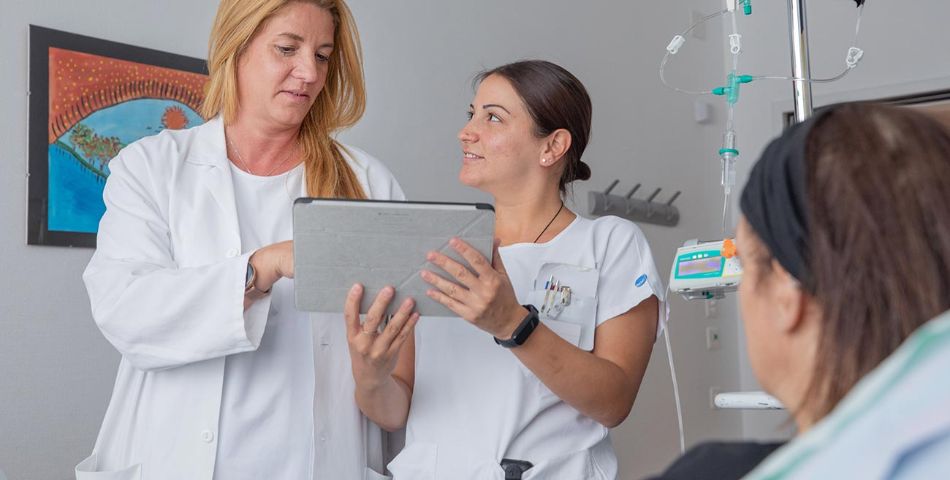
Medical oncology, often aided by radiation oncology, treats cancer with non-surgical anticancer therapies, that is, using anticancer drugs as preparatory, precautionary or in case of tumor recurrence. These therapies are divided into:
- Anti-hormonal treatments, which block the stimulation of cancer cells by female or male hormones produced by the body.
- Chemotherapy, which destroys cancer cells that are multiplying.
- Biologic therapies, which act on targets present on only certain types of cancer cells.
- Immunotherapy drugs, which stimulate the patient's immune system to attack cancer cells.
Patient services
Support services
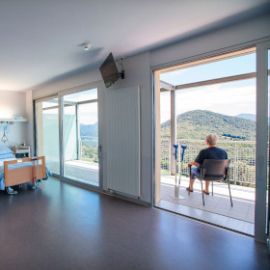
Clinical and diagnostic services
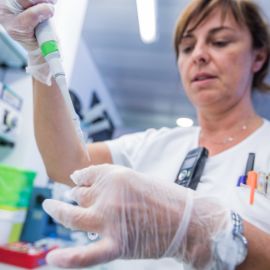
Dedicated services
Insights
Certifications
The Medical Oncology Clinic has been nationally certified by the Swiss Medical Association FMH

Contact
Istituto Oncologico della Svizzera Italiana
Ambulatorio di Oncologia medica
Ospedale Regionale di Lugano, Italiano
-
Orari di risposta al telefono
Monday : 08:30 - 17:00
Tuesday : 08:30 - 17:00
Wednesday : 08:30 - 17:00
Thursday : 08:30 - 17:00
Friday : 08:30 - 17:00
-
Chiusura dell’ambulatorio
Saturday
Sunday
Istituto Oncologico della Svizzera Italiana
Ambulatorio di Oncologia medica
Ospedale Regionale di Bellinzona, San Giovanni
-
Orari di risposta al telefono
Monday : 08:30 - 17:00
Tuesday : 08:30 - 17:00
Wednesday : 08:30 - 17:00
Thursday : 08:30 - 17:00
Friday : 08:30 - 17:00
-
Chiusura dell’ambulatorio
Saturday
Sunday
Istituto Oncologico della Svizzera Italiana
Ambulatorio di Oncologia medica
Ospedale Regionale di Mendrisio, Beata Vergine
-
Orari di risposta al telefono
Monday : 08:30 - 17:00
Tuesday : 08:30 - 17:00
Wednesday : 08:30 - 17:00
Thursday : 08:30 - 17:00
Friday : 08:30 - 17:00
-
Chiusura dell’ambulatorio
Saturday
Sunday
Istituto Oncologico della Svizzera Italiana
Ambulatorio di Oncologia medica
Ospedale Regionale di Locarno, La Carità
-
Orari di risposta al telefono
Monday : 08:30 - 17:00
Tuesday : 08:30 - 17:00
Wednesday : 08:30 - 17:00
Thursday : 08:30 - 17:00
Friday : 08:30 - 17:00
-
Chiusura dell’ambulatorio
Saturday
Sunday
Related News






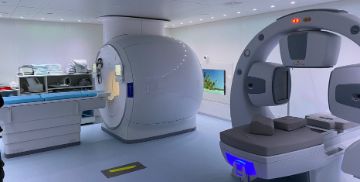
Eventi

Locations
Medical oncology services are provided at all EOC Regional Hospitals and with the inpatient unit at Bellinzona Regional Hospital (San Giovanni).
The English version of this page was created with the aid of automatic translation tools and may contain errors and omissions.
The original version is the page in Italian.
