

Gastroenterology is the branch of medicine concerned with the study, prevention and treatment of diseases affecting the digestive system. The organs studied are not only the esophagus, stomach and intestines, but also the liver, biliary tract and pancreas. Major areas of gastroenterology include hepatology, interventional endoscopy, functional gastroenterology, and chronic inflammatory bowel disease.
Gastroenterology

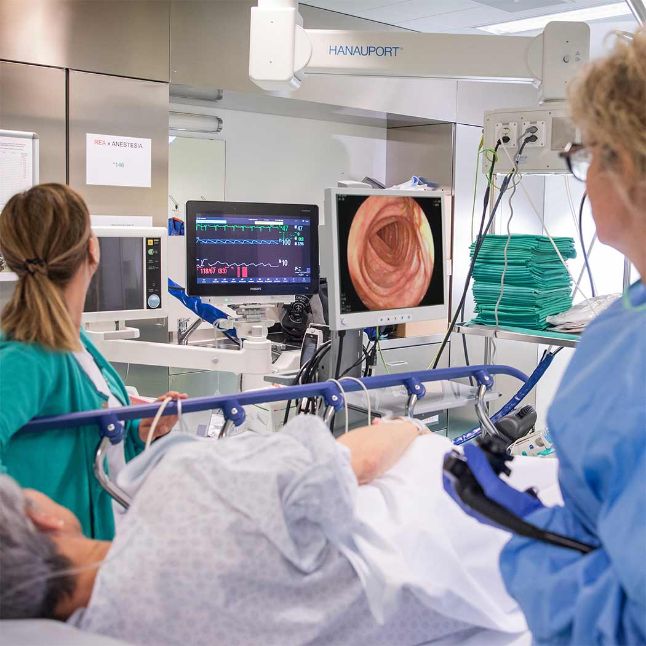
Transforming food into nutrition and eliminating waste: a vital task of the digestive system that gastroenterological diseases can compromise.
The specialty
What we treat
- Neoplastic and pre-neoplastic diseases of the digestive tract: benign/malignant neoplasms of the esophagus and stomach, gastrointestinal stromal tumors, Barrett's esophagus (pathologic alteration of esophageal mucosa), benign neoplasms (polyps) of the colon and rectum.
- Non-neoplastic diseases of the digestive tract: gastroesophageal reflux, gastritis, Helicobacter pylori (bacterial infection in the gastric mucosa), peptic ulcer (lesion of gastric or duodenal mucosa), diverticular disease (presence of extroversions in the intestinal walls).
- Non-neoplastic diseases of the pancreas: biliary or pancreatic stones (stones in the gallbladder, bile ducts or pancreatic ducts), pancreatitis (inflammation of the pancreas), exocrine pancreatic insufficiency (poor secretion of pancreatic enzymes).
- Neoplastic diseases of the pancreas: biliary tract tumors, pancreatic neoplasms.
- Functional disorders of the digestive system: e.g., achalasia and esophageal motor dysfunction (esophageal motility disorders), digestive difficulties, irritable bowel syndrome, alvus disorders(chronic constipation, primary and secondary fecal incontinence ).
- Chronic inflammatory bowel disease: e.g. Crohn 's disease (chronic intestinal inflammation that can affect the entire digestive tract), ulcerative colitis (chronic disease affecting the large intestine).
- Food intolerances and allergies: celiac disease (autoimmune disease affecting the small intestine, caused by the gluten protein) and nutrient absorption disorders.
Diagnosis and treatment
Diagnostic examinations
Diagnostic framing is done through:
- gastroenterological consultation;
- laboratory tests (blood tests, urine tests, stool tests, etc.);
- abdominal ultrasound and Echo-Doppler;
- diagnostic endoscopy: esophagogastroduodenoscopy, ileo-colonscopyenteroscopy and colonoscopy with endoscopic video capsule;
- diagnostic ecoendoscopy and with biopsies of the digestive tract;
- functional examinations: pH-metry, esophageal manometry, colonic manometry, anorectal manometry, anorectal biofeedback, bilimetry, impedance-metry, gastrointestinal manometry, transit time study with radio-optic markers).
Treatments
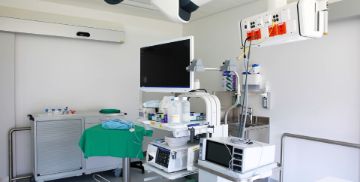
On the endoscopic treatment front, the most commonly used procedures are:
- endoscopic hemostasis of bleeding lesions of esophagus, stomach, duodenum, colon and rectum;
- endoscopic ligation of esophageal varices;
- mucosectomies and endoscopic submucosal dissections of precancerous lesions and early stage neoplasms of esophagus, stomach, duodenum, Vater's papilla, colon and rectum;
- endoscopic dilatation of esophageal, pyloric, colon, rectal stenosis, post-surgical anastomoses;
- endoscopic removal of foreign bodies of the esophagus, stomach, colon-rectum;
- endoscopic treatment of fistulas and dehiscences of post-surgical anastomoses;
- endoscopic endoscopic retrograde cholangiopancreatography (ERCP) with endoscopic sphincterotomies on both the biliary and pancreatic sides, stone extractions from the main biliary pathway, placement of plastic and metal biliary endoprostheses for benign and malignant diseases, endoscopic insertion of biliary and pancreatic drainage, endoscopic biopsy of the biliary tract, sphincter of Oddi and pancreatic duct, dilatations of benign and malignant stenosis of the biliary tract and pancreas;
- Ecoendoscopic drainage of pancreatic pseudocysts;
- treatment of advanced neoplasms of the esophagus, stomach, colon, rectum;
- placement of esophageal, enteral, colic, and rectal endoprostheses for palliative treatment of advanced neoplasms and benign stenosis;
- transjugular Intrahepatic Portosystemic Shunt (TIPS) is used to reduce hypertension of the portal vein, which is the vein responsible for transporting blood to the liver from most abdominal organs.
On the drug treatment front, major therapies include:
- treatment of chronic inflammatory bowel disease;
- vaccinations;
- treatment of functional digestive disorders.
Patient services
Dedicated services
Insights
Multi-Disciplinary Meeting (MDM)
Multidisciplinary management ensures optimal care of the patient with gastroenterological diseases. For this reason, the EOC medical team engages in weekly collegial case discussions within multidisciplinary meetings. These include the Digestive and Oncology Multidisciplinary Meeting (MDM).
Histoboard
During the weekly Histoboard, biopsies taken during various diagnostic examinations are reviewed and discussed in collaboration with the Institute of Pathology EOC. This appointment is held using the Zoom platform and is also open to outside participants who can register in advance via email.
Internships and master's work for medical students
Students in the Master of Medicine program of the Faculty of Biomedical Sciences at the Università della Svizzera Italiana (USI) can complete their program of study by working on their master's thesis in gastroenterology. Interested students can agree on the topic of their thesis with their thesis director or co-director.

Contact
Ambulatorio di Gastroenterologia
Ospedale Regionale di Lugano, Civico
-
Orari di risposta al telefono
Monday : 09:00 - 11:00 / 14:00 - 16:00
Tuesday : 09:00 - 11:00 / 14:00 - 16:00
Wednesday : 09:00 - 11:00 / 14:00 - 16:00
Thursday : 09:00 - 11:00 / 14:00 - 16:00
Friday : 09:00 - 11:00 / 14:00 - 16:00
-
Chiusura dell’ambulatorio
Saturday
Sunday
Ambulatorio di Gastroenterologia
Ospedale Regionale di Locarno, La Carità
-
Orari di risposta al telefono
Monday : 08:30 - 12:00 / 13:00 - 16:30
Tuesday : 08:30 - 12:00 / 13:00 - 16:30
Wednesday : 08:30 - 12:00 / 13:00 - 16:30
Thursday : 08:30 - 12:00 / 13:00 - 16:30
Friday : 08:30 - 12:00 / 13:00 - 16:30
-
Chiusura dell’ambulatorio
Saturday
Sunday
Ambulatorio di Gastroenterologia
Ospedale Regionale di Bellinzona, San Giovanni
-
Orari di risposta al telefono
Monday : 08:30 - 11:30 / 13:30 - 16:00
Tuesday : 08:30 - 11:30 / 13:30 - 16:00
Wednesday : 08:30 - 11:30 / 13:30 - 16:00
Thursday : 08:30 - 11:30 / 13:30 - 16:00
Friday : 08:30 - 11:30 / 13:30 - 16:00
-
Chiusura dell’ambulatorio
Saturday
Sunday
Ambulatorio di Gastroenterologia
Ospedale Regionale di Mendrisio, Beata Vergine
-
Orari di risposta al telefono
Monday : 08:30 - 12:00 / 13:30 - 16:30
Tuesday : 08:30 - 12:00 / 13:30 - 16:30
Wednesday : 08:30 - 12:00 / 13:30 - 16:30
Thursday : 08:30 - 12:00 / 13:30 - 16:30
Friday : 08:30 - 12:00 / 13:30 - 16:30
-
Chiusura dell’ambulatorio
Saturday
Sunday
Related News




Eventi
Currently there are no scheduled events or trainings, discover past events.
Locations
Gastroenterology activities are carried out at the Regional Hospital of Lugano, Civic and Italian as well as at the Regional Hospital of Bellinzona, the Regional Hospital of Locarno and the Regional Hospital of Mendrisio.
The English version of this page was created with the aid of automatic translation tools and may contain errors and omissions.
The original version is the page in Italian.
