Neurology

The nervous system regulates all bodily activities. When affected by disease, it results in physical and mental dysfunction that is diagnosed and treated by neurology.

The specialty

Neurology is the branch of medicine concerned with the study and treatment of disorders of the central nervous system (the brain and spinal cord) and peripheral nervous system (composed of nerves located in all regions of the body). Neurology specialists manage a wide range of neurological conditions, including stroke, epilepsy, Parkinson's disease, Multiple Sclerosis, neuropathy, migraines, and many other neurological disorders. Neurology is a complex and ever-evolving discipline that requires a thorough understanding of the workings of the nervous system and its many pathologies.

What we treat

Headaches

  • They can be primary, without an underlying cause (e.g., migraine, tension or cluster headache) or secondary, that is, an expression of another disease (e.g., infection, tumor).

Dementias and movement disorders

  • Alzheimer's, Lewy Body Disease, Fronto-temporal Dementia, Vascular Dementia: progressive dementias with dysfunction of several cognitive domains such that they interfere with the social/occupational functions normally performed by a person.
  • Adult normotensive hydrocephalus: symptomatic dementia, in which cognitive deficits are consequent to problems with impaired cerebrospinal fluid flow.
  • Parkinson's disease: neurodegenerative disease characterized by slowed movement, rigidity, sometimes tremor at rest, and posture instability.
  • Dystonia: involuntary muscle contractions that cause postural changes.
  • Tremors: involuntary rhythmic oscillatory movements of certain parts of the body (e.g., hands, head).
  • Chorea: irregular involuntary movements that vary in distribution and intensity.
  • Tics: involuntary movements that can be partially suppressed by will, but only for a short period at the cost of subsequent exacerbation.

Epilepsy

  • Enduring predisposition to generate seizures with associated neurobiological, cognitive, psychological and social consequences.

Stroke

  • Blood flow to the part of the brain behind the vessel is disrupted and associated bodily functions are literally paralyzed, resulting in paralysis, speech impairment, dizziness, visual disturbances, and other neurological deficits.

Neurovascular pathologies

  • They affect the vessels of the central nervous system (brain and spinal cord); for example, stroke caused by a disturbance of blood circulation in the brain.
  • Neuropathies: diseases of one or more peripheral nerves.
  • Myopathies: diseases of the muscles, causing deficits in strength and sometimes pain in the muscles.

Diseases of the peripheral nervous system

  • Neuropathies: malfunction of one or more peripheral nerves.
  • Small sensory fiber neuropathy: damages small peripheral nerve fibers found in muscles, skin, organs, and large nerves.
  • Guillain-Barré syndrome: affects nerve roots and peripheral nerves, has an acute course and can be triggered by infection.
  • Myasthenia Gravis: neuromuscular disease characterized by fluctuating muscle weakness and fatigability that can affect all muscles in the body.
  • Amyotrophic lateral sclerosis (ALS): degenerative disease of motor neurons, causing progressive muscle weakness with impairment of mobility, verbal articulation, swallowing, and breathing.
  • Myopathies: diseases of various origins that affect muscles causing deficits in strength, muscle mass and tone, sometimes pain, cramps.

Multiple Sclerosis.

  • Autoimmune disease of the central nervous system associated with immune system malfunction that attacks nerve tissue, generating inflammatory lesions and degeneration; results in visual, motor, coordination sensitivities, sphincters, cognitive dysfunction, and fatigue.

Diagnosis and treatment

Headache

Diagnosis

  • Neurological evaluation: the physician asks the patient detailed questions about the symptoms and performs a neurological examination that is used to identify any "red flags," alarming elements that may suggest the presence of an underlying disease to the headache.
  • Blood tests.
  • Lumbar puncture, such as if meningitis is suspected, or altered CSF pressure headache.
  • Brain MRI or brain CT scan with possible study of arterial and/or venous vessels.


Treatments
Treatment depends on the cause. For example, for primary headaches, there are several therapeutic and pharmacological approaches, including:

  • therapeutic strategies to manage the acute headache attack;
  • prophylactic drug therapies: in addition to numerous drugs that have been available for years, there are innovative calcitonin gene-related peptide receptor (CGRP) antagonists;
  • botulinum toxin infiltrations: indicated in specific groups of patients with chronic migraine headache;
  • infiltrations of the great/small occipital and supratrochlear nerves;
  • neuromodulation techniques: e.g., of the trigeminal branches;
  • psychological and psychiatric treatments for pain management.

Dementias

Diagnosis
The diagnostic picture is delineated by:

  • caregiverinterviews;
  • focused neurological examination;
  • neuropsychological testing;
  • blood and CSF tests: search for biomarkers;
  • neuroimaging (MRI and PET brain scan);
  • evacuative lumbar puncture: approximately 50 cc of CSF is taken to assess motor and cognitive improvement (in the case of normotensive hydrocephalus).


Treatments
For these conditions, there are currently no cure-all treatments; interventions can be made to partially slow the disease course, reduce the effects of symptoms, and help caregivers manage the patient through:

  • drug therapies;
  • treatment by laying a ventricle-peritoneal shunt: therapy of choice in adult normotensive hydrocephalus;
  • possibility of participating in experimental therapies for the treatment of Alzheimer's disease in its early stages.

Movement disorders

Diagnosis

The diagnostic picture is delineated by:

  • neurological examination;
  • blood tests, CSF, neuroimaging;
  • genetic tests in selective cases.


Treatments

  • Drug therapy: to improve impaired motor function and any other associated symptoms.
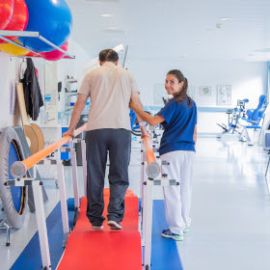
  • Physical activity: physiotherapy, occupational therapy; complementary therapies such as Tai-Chi and Nordic walking.
  • Botulinum toxin: in the case of dystonias affecting limited body segments (e.g., for cervical dystonias).
  • Surgical therapy: in the case of Parkinson's disease and other movement disorders, surgical treatment may be indicated (e.g., deep brain stimulation, focused ultrasound).

Epilepsy

Diagnosis
Diagnosis involves two steps:

  • establish the type of seizure and differentiate it from other nonepileptic events;
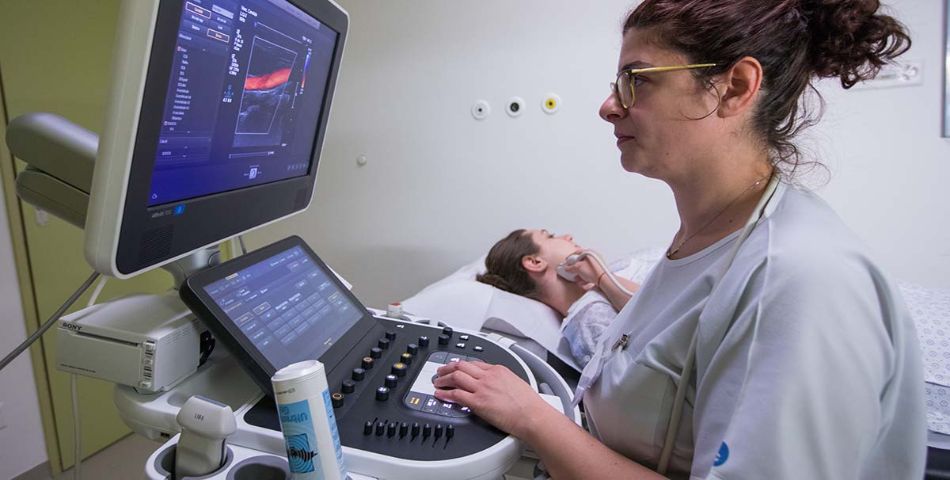
  • defining the cause: usually an Electroencephalogram (EEG) is performed to study electrical activity in the brain, and a brain Neuroimaging examination (e.g. CT scan or brain MRI); other specific tests are evaluated individually.


Treatments

  • Drug therapy: to control seizures.
  • Surgical therapy, ketogenic diet, and vagus nerve stimulator: are evaluated in a minority of patients who do not respond adequately to drug therapies.

Stroke

Cerebral stroke is caused by a disturbance of blood circulation in the brain. Stroke is a complex and dangerous disease that manifests itself with sudden and acute onset symptoms (e.g., weakness of an arm or leg, visual disturbances, difficulty expressing oneself, headache). Recognizing stroke symptoms early and sending the patient quickly to specialized care in a hospital with a Stroke Center greatly reduces the risk of disability and increases the chance of survival.

If suspected, the following are performed as a matter of urgency:

  • neurological evaluation;
  • brain imaging (CT brain scan or MRI brain scan) with blood vessel study;
  • appropriate specialized evaluations to identify the potential cause of the stroke.


Acute and preventive treatments
Stroke is a treatable disease. Recognizing the symptoms and reacting early is crucial: in fact, the faster the blood supply is restored, the less nerve cells are damaged or die.

  • Acute treatment (ischemic stroke): aims to reopen the occluded vessel (cerebrovascular reperfusion therapy); this can be done, in selected patients, by attempting to dissolve the blood clot through an intravenous drug (intravenous thrombolysis) and/or by removing the thrombus through an intra-arterial catheter (endovascular therapy).
  • Prevention therapies: aim to prevent stroke recurrence in the future and are individualized to the patient depending on the cause of the stroke and individual cardio-cerebrovascular risk factors.

Neuromuscular diseases

Diagnosis

We make use of:

  • neurological examination;
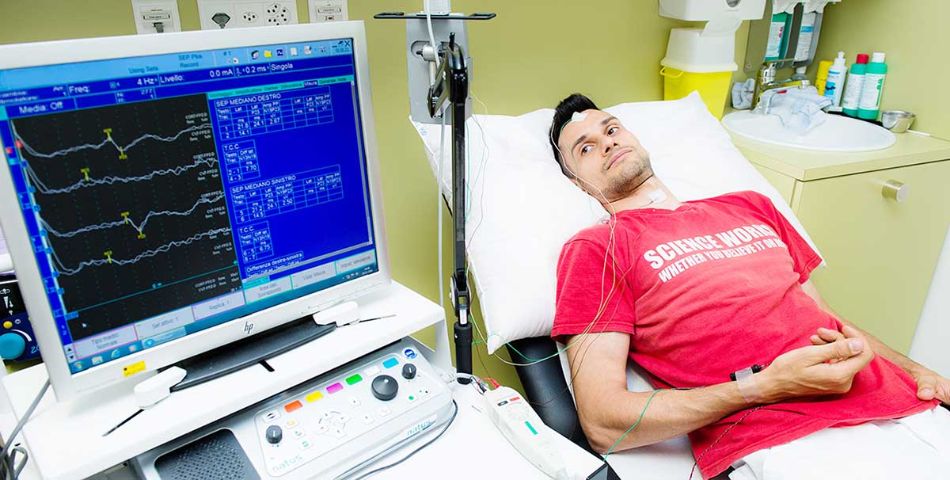
  • electrophysiologic study (electromyographic examination);
  • hematochemical screening;
  • CSF examination;
  • neuroimaging techniques, such as muscle MRI, lumbosacral plexus MRI;
  • muscle, nerve, and skin biopsy;
  • genetic testing.


Treatments
The indications for, choice of, and likelihood of response to the individual treatments available should be evaluated individually; therapies include, for example:

  • drug therapy: depending on the diagnosed disease, cortisone and other immunosuppressive drugs, immunoglobulins, plasmapheresis, symptomatic therapies may be used;
  • physiotherapy, occupational therapy;
  • orthotic treatments;
  • surgical therapy in selected patients.

Multiple sclerosis

Diagnosis
Diagnosis is based on international diagnostic criteria that take into consideration:

  • the patient's medical history (e.g., type of symptoms, pattern of onset and worsening, etc.);
  • the neurological examination;
  • the results of various clinical tests, e.g., brain and spinal MRI, spinal fluid examination, evoked potentials, and various blood tests.


Treatments
Although multiple sclerosis cannot be cured, with appropriate therapy, clinical stabilization and a good quality of life can be achieved; the main treatments:

  • immunomodulatory and immunosuppressive treatments: to counteract the immune system malfunction underlying the disease;
  • "symptomatic" therapies: to improve residual symptoms of the disease (e.g., fatigue, stiffness, urinary disorders, gait disturbances);
  • physiotherapy, occupational therapy, or speech therapy, fatigue managementprograms .

Patient services

Dedicated services

Neurological assessment of driving ability

Neurological examination aimed at assessing driving ability can be performed; neurological counseling is provided to sending physicians and authorities to support their decision on driving fitness.

Epilepsy consultations

Diagnosis involves two steps and is based on international guidelines. In the first instance, establish the type of seizure and differentiate it from other nonepileptic interventions through a thorough neurological evaluation. Next, the cause is sought: usually an Electroencephalogram (EEG) is performed to study brain electrical activity, and a brain Neuroimaging examination (preferably brain MRI); other specific examinations are evaluated individually.

Non-invasive neurostimulation

Services are aimed at patients with cognitive and sensorimotor symptoms of neurological origin (Parkinson's, dementia, stroke and migraine, etc.). Rehabilitation treatments are individualized especially through non-invasive neurostimulation techniques. The service integrates and coordinates multidisciplinary interventions, forming a communication network between different professionals. Therapies can be administered on-site and/or at home, thanks to telemedicine solutions that ensure continuity and usability of care.

Doctors

  • Prof. Dr. med.

    Kaelin Alain

    Direttore medico

  • Prof. Dr. med.

    Gobbi Claudio

    Primario

Contacts

Istituto di Neuroscienze Cliniche della Svizzera Italiana

Ambulatorio di Epilessia

Ospedale Regionale di Lugano, Civico

  • Orari di risposta al telefono
    Monday : 08:30 - 12:00 / 14:00 - 16:00
    Tuesday : 08:30 - 12:00 / 14:00 - 16:00
    Wednesday : 08:30 - 12:00 / 14:00 - 16:00
    Thursday : 08:30 - 12:00 / 14:00 - 16:00
    Friday : 08:30 - 12:00 / 14:00 - 16:00

  • Chiusura dell’ambulatorio
    Saturday
    Sunday

Istituto di Neuroscienze Cliniche della Svizzera Italiana

Ambulatorio di Logopedia

Ospedale Regionale di Mendrisio, Beata Vergine

  • Orari di risposta al telefono
    Monday : 08:30 - 12:00 / 13:30 - 16:30
    Wednesday : 08:30 - 12:00 / 13:30 - 16:30
    Friday : 08:30 - 12:00 / 13:30 - 16:30

  • Chiusura dell’ambulatorio
    Tuesday
    Thursday
    Saturday
    Sunday

Istituto di Neuroscienze Cliniche della Svizzera Italiana

Ambulatorio di Logopedia

Ospedale Regionale di Lugano, Civico

  • Orari di risposta al telefono
    Monday : 08:30 - 16:30
    Tuesday : 08:30 - 16:30
    Wednesday : 08:30 - 12:00
    Thursday : 08:30 - 16:30
    Friday : 08:30 - 16:30

  • Chiusura dell’ambulatorio
    Saturday
    Sunday

Istituto di Neuroscienze Cliniche della Svizzera Italiana

Ambulatorio di Neurologia

Ospedale Regionale di Mendrisio, Beata Vergine

  • Orari di risposta al telefono
    Monday : 09:00 - 11:30 / 14:00 - 16:00
    Tuesday : 09:00 - 11:30 / 14:00 - 16:00
    Wednesday : 09:00 - 11:30 / 14:00 - 16:00
    Thursday : 09:00 - 11:30 / 14:00 - 16:00
    Friday : 09:00 - 11:30 / 14:00 - 16:00

  • Chiusura dell’ambulatorio
    Saturday
    Sunday

Istituto di Neuroscienze Cliniche della Svizzera Italiana

Ambulatorio di Neurologia

Ospedale Regionale di Lugano, Italiano

  • Orari di risposta al telefono
    Monday : 09:00 - 11:30 / 14:00 - 16:00
    Tuesday : 09:00 - 11:30 / 14:00 - 16:00
    Wednesday : 09:00 - 11:30 / 14:00 - 16:00
    Thursday : 09:00 - 11:30 / 14:00 - 16:00
    Friday : 09:00 - 11:30 / 14:00 - 16:00

  • Chiusura dell’ambulatorio
    Saturday
    Sunday

Istituto di Neuroscienze Cliniche della Svizzera Italiana

Ambulatorio di Neurologia

Ospedale Regionale di Lugano, Civico

  • Orari di risposta al telefono
    Monday : 09:00 - 11:30 / 14:00 - 16:00
    Tuesday : 09:00 - 11:30 / 14:00 - 16:00
    Wednesday : 09:00 - 11:30 / 14:00 - 16:00
    Thursday : 09:00 - 11:30 / 14:00 - 16:00
    Friday : 09:00 - 11:30 / 14:00 - 16:00

  • Chiusura dell’ambulatorio
    Saturday
    Sunday

Istituto di Neuroscienze Cliniche della Svizzera Italiana

Ambulatorio di Neurologia

Ospedale Regionale di Bellinzona, San Giovanni

  • Orari di risposta al telefono
    Monday : 08:30 - 11:30 / 13:30 - 16:00
    Tuesday : 08:30 - 11:30 / 13:30 - 16:00
    Wednesday : 08:30 - 11:30 / 13:30 - 16:00
    Thursday : 08:30 - 11:30 / 13:30 - 16:00
    Friday : 08:30 - 11:30 / 13:30 - 16:00

  • Chiusura dell’ambulatorio
    Saturday
    Sunday

Istituto di Neuroscienze Cliniche della Svizzera Italiana

Ambulatorio di Neurologia

Ospedale Regionale di Locarno, La Carità

Via San Francesco 15, 6600 Locarno

  • Orari di risposta al telefono
    Monday : 08:30 - 12:00 / 14:00 - 16:00
    Tuesday : 08:30 - 12:00 / 14:00 - 16:00
    Wednesday : 08:30 - 12:00 / 14:00 - 16:00
    Thursday : 08:30 - 12:00 / 14:00 - 16:00
    Friday : 08:30 - 12:00 / 14:00 - 16:00

  • Chiusura dell’ambulatorio
    Saturday
    Sunday

Locations

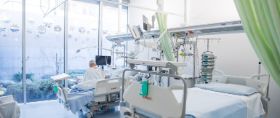
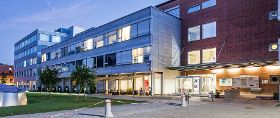
The EOC Neurology Service offers outpatient and emergency consultations at all EOC sites. The Ospedale Regionale di Lugano, Civico is home to the inpatient ward, stroke unit and specialized centers dedicated to chronic neurological diseases.

The English version of this page was created with the aid of automatic translation tools and may contain errors and omissions.
The original version is the page in Italian.