

Pathologic anatomy and histopathology
Histology is the basis of Pathologic Anatomy and is the branch that studies the microscopic structure of normal and diseased tissues in order to accurately diagnose and classify a disease. Timeliness and diagnostic accuracy are crucial in defining the best possible treatment.
Medical skills
- Oncologic diseases: typing and diagnostic definition, evaluation of prognostic factors or predictive of response to targeted treatments.
- Inflammatory processes: diagnosis of chronic inflammatory diseases, evaluation of course, efficacy or side effects to pharmacological treatments.
- Genetic diseases: identification of alterations suggestive of a hereditary component and worthy of genetic counseling.
In detail:
- Hematopathology: e.g., blood and bone marrow diseases, lymphomas, leukemias.
- Gynecopathology: e.g., lesions and tumors of the body and cervix, ovarian tumors.
- Gastrointestinal and hepatobiliary pathology: e.g. Crohn's disease, ulcerative colitis, intestinal polyps and tumors, hepatitis, liver and pancreatic tumors.
- Lung pathology: e.g., lung tumors, inflammatory lung disease.
- Breast pathology: e.g., breast carcinoma and other benign lesions.
- Uropathology: e.g. prostate, bladder or testicular cancers.
- Cardiovascular pathology: e.g., changes in the aortic wall.
- Endocrine pathology: e.g., tumors or inflammation of the thyroid, adrenals, or endocrine pancreas.
- Head and neck pathology: e.g., oropharyngeal or laryngeal tumors, salivary gland lesions.
- Neuropathology: e.g., brain tumors or inflammatory lesions.
- Soft parts and bone tissue pathology: e.g., soft part tumors (sarcomas), and bone tumors/injuries.
- Pedopathology and fetoplacental pathology: e.g. developmental disorders, inflammatory changes, childhood tumors.
Technical skills
- Processing of biopsies (samples) obtained as a result of endoscopic or radiological examinations or during surgical procedures/explorations (about 70,000 each year).
- Histochemical and immunohistochemical analyses.
- Analysis in extemporaneous examination during surgery.
- Long-term archiving of diagnostic material in favor of potential requests/analysis even years after diagnosis.
How to request materials for sending histological preparations
The Cantonal Institute of Pathology EOC provides the following materials upon request: Request forms for histopathological and dermmapatological analyses. 20-mL screw-top vials with 4-10% buffered formalin. Stamped mailing envelopes (A Mail). Containers for sending large preparations are the responsibility of the submitter; prefer rigid containers with screw caps to ensure safe transport.
Withdrawal
An optimal sampling technique allows limiting the number of unrepresentative biopsies and reducing possible artifacts that may compromise histologic examination, such as tissue crushing. Avoid excessively traumatizing the tissue with electrocautery, tweezers, or scalpels, or with rough movements when taking biopsies.
Fixation of biopsies
Fix tissues in 4-10 % buffered formalin (exceptions see Vademecum) as soon as possible after collection. This type of fixation ensures histological analysis under optimal conditions and does not preclude any type of complementary analysis. The size of the container should be suitable for the material and meet the fixative-to-withdrawal ratio of 5/1.
Identification of biopsies
Ensure that all containers are identified with the patient's name, surname and date of birth (p.f. not on the lid). In case of multiple collections from the same patient, number the containers according to the findings indicated on the histological examination request form.
Transport of biopsies
The Canton Institute of Pathology has organized a "courier service" to correspond with sites that regularly send large quantities of material. For others, the Institute distributes stamped envelopes for mailing (A Mail) free of charge.
Transmission of relevant clinical news
The correct and timely interpretation of a histological examination depends greatly on the completeness of clinical and anamnestic information available to the anatomo-pathologist. Requesting physicians are urged to fill out the request form completely. In some cases it may be helpful to include laboratory results or radiological examinations.
Response time
Most analyses (>80%) are processed by the Institute within 48 hours of acceptance. Cases requiring further sampling of submitted material, supplementation of clinical reports, additional examinations, decalcifications may take up to 7 days from the time of acceptance.
Recommendations for sending histological preparations
The quality of a histological examination is highly dependent on preanalytical factors. In this regard, the technique of sampling, proper fixation and identification of biopsies, transport of material to the ICP as well as complete transmission of clinical news relevant to the anatomo-pathologist are essential.
Doctors

Contact
Istituto di Diagnostica Integrata della Svizzera Italiana
Laboratorio di Istologia e dermatopatologia
Clinica di Patologia, Locarno
-
Orari di risposta al telefono
Monday : 08:00 - 12:00 / 12:00 - 18:00
Tuesday : 08:00 - 12:00 / 12:00 - 18:00
Wednesday : 08:00 - 12:00 / 12:00 - 18:00
Thursday : 08:00 - 12:00 / 12:00 - 18:00
Friday : 08:00 - 12:00 / 12:00 - 18:00
-
Chiusura dell’ambulatorio
Saturday
Sunday
Locations
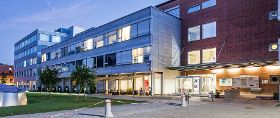
The Service of Histopathology reports to the Cantonal Institute of Pathology located in Locarno on Via in Selva.
The English version of this page was created with the aid of automatic translation tools and may contain errors and omissions.
The original version is the page in Italian.

Help us improve
Please take just a few moments to share your thoughts on the new website, www.eoc.ch. Your feedback is important to helping us improve the experience for everyone.
Fill out the survey now!