Arithmology

Cardiac electrophysiology (or arrhythmology) deals with the prevention, diagnosis and treatment of heart rhythm disorders.

What we treat

Heart rhythm disorders are multifaceted in nature and can manifest with a variety of symptoms: syncopes or fainting spells (falls due to loss of consciousness), palpitations, irregular heartbeat, wheezing that arises from modest exertion.

The Cardiac Electrophysiology and Electrostimulation Service at the Cardiocentro Ticino Institute offers specific treatments for most of the currently known arrhythmias. In particular:

  • Atrial tachycardia.
  • Atrial fibrillation (pulmonary vein isolation).
  • Typical and atypical atrial flutter.
  • Paroxysmal nodal re-entry tachycardia.
  • Wolff-Parkinson-White syndrome or ventricular pre-excitation.
  • Ventricular tachycardia.
  • Ventricular fibrillation.
  • Ventricular extrasystole.
  • Genetically based rhythm disorders.
Cause of cardiac arrhythmias

The genesis of arrhythmias may be hereditary (genetic abnormalities) or related to other cardiovascular diseases such as hypertension, heart valve changes, coronary artery disease, or abnormalities of heart muscle contraction.

Diagnosis and treatment

Today, most cardiac rhythm disorders can be permanently cured by the use of implantable pacemakers or defibrillators or by using ablative techniques that aim at permanent elimination of the cardiac cells responsible for arrhythmias.

Proper diagnosis and effective treatment require the availability of a wide range of instrumentation and procedures, both non-invasive and invasive.

  • Non-invasive diagnostics
    • Electrocardiogram.
    • ECG sec. Holter up to 7 days.
    • Pharmacological provocation tests (e.g., ajmaline).
    • Tilt-test.
  • Invasive diagnostics.
    • Intracardiac electrophysiological study.
    • Implantation of permanent monitoring systems.
  • Radiofrequencyablation procedures accompanied by three-dimensional mapping.
  • Cryoablation procedures.
  • Implantation of pacemakers, defibrillators and cardiac resynchronization devices.
  • Implantation of "leadless" pacemakers and "S-ICD" subcutaneous defibrillators.
  • Extraction of malfunctioning or infected electrodes.
  • Interrogation and optimization of advanced pacing devices, such as implantable pacemakers and defibrillators (ICDs), bi-ventricular pacemakers/defibrillators for cardiac resynchronization, and leadless (Leadless) pacemakers.
  • Remote monitoring of cardiac conditions of patients with implanted devices.
  • Specialist consultation for genetically based rhythm disorders such as Brugada syndrome, long QT, repolarization syndrome.

Insights

Equipment of the Arithmology Laboratory

The instrumental equipment of the Arithmology Laboratory of the Cardiocentro Ticino Institute includes:

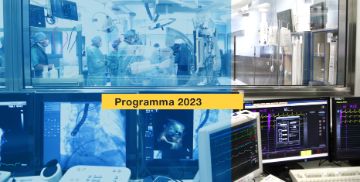
  • Two clinical Electrophysiology rooms, one of which is equipped with hybrid-surgical technology for the most complex procedures.
  • Three-dimensional electroanatomic mapping systems (Carto and Rhythmia), which allow precise assessment of the geometry of the cardiac chambers and accurate characterization of arrhythmia circuits.
  • Two cryoablation systems (Medtronic and Boston), allow cold ablation procedures to be performed.
  • Generator to perform electroporation, an innovative technique used in specific cases.

Highly trained technical and nursing staff and constant interaction with anesthesiologists and cardiovascular imaging specialists ensure comprehensive, multidisciplinary case management.

Transcatheter cardiac ablation

Transcatheter ablation involves the permanent removal (heat or cold burn) of certain cells or regions of the atrial or ventricular chambers. Ablation can be performed under local or general anesthesia depending on the severity of the rhythm disturbance to be treated.
Success rates vary depending on the type of arrhythmia the patient has, approaching 100% for nodal or accessory pathway reentry tachycardias, 60-80% for paroxysmal atrial fibrillation or atrial or ventricular extrasystole. In some cases, a single type of treatment (e.g., pacemaker or automatic implantable defibrillator) is not sufficient, so a mixed or hybrid approach is used that also includes the use of ablation techniques. Such combined approaches are, for example, necessary in patients with recurrent ventricular tachycardias, particularly malignant rhythm disturbances that if not treated adequately can unfortunately lead to the patient's death within a short time.

Collaboration with USI to develop personalized electrical therapies.

In collaboration with the Center for Computational Medicine active at the University of Lugano in Switzerland, the Electrophysiology Service of the Cardiocentro Ticino Institute develops innovative computerized models for the personalized simulation of arrhythmic and cardiac conduction disorders. These models are functional for an increasingly better understanding of the pathophysiological mechanisms of cardiac rhythm, also in the perspective of increasingly personalized and effective treatments.

Certification

The arrhythmology and electrostimulation service of the Cardiocentro Ticino Institute is a reference and training center recognized and accredited by the European Heart Rhythm Association.

Doctors

Contact

Istituto Cardiocentro Ticino

Ambulatorio di Elettrofisiologia

Cardiocentro, Lugano

  • Orari di risposta al telefono
    Monday : 08:30 - 12:00 / 13:30 - 17:00
    Tuesday : 08:30 - 12:00 / 13:30 - 17:00
    Wednesday : 08:30 - 12:00 / 13:30 - 17:00
    Thursday : 08:30 - 12:00 / 13:30 - 17:00
    Friday : 08:30 - 12:00 / 13:30 - 17:00

  • Chiusura dell’ambulatorio
    Saturday
    Sunday

Istituto Cardiocentro Ticino

Ambulatorio di Elettrostimolazione

Cardiocentro, Lugano

  • Orari di risposta al telefono
    Monday : 08:30 - 12:00 / 13:30 - 17:30
    Tuesday : 08:30 - 12:00 / 13:30 - 17:30
    Wednesday : 08:30 - 12:00 / 13:30 - 17:30
    Thursday : 08:30 - 12:00 / 13:30 - 17:30
    Friday : 08:30 - 12:00 / 13:30 - 17:30

  • Chiusura dell’ambulatorio
    Saturday
    Sunday

Istituto Cardiocentro Ticino

Ambulatorio di Malattie cardiovascolari rare

Cardiocentro, Lugano

  • Orari di risposta al telefono
    Monday : 08:30 - 12:00 / 13:30 - 16:00
    Tuesday : 08:30 - 12:00 / 13:30 - 16:00
    Wednesday : 08:30 - 12:00 / 13:30 - 16:00
    Thursday : 08:30 - 12:00 / 13:30 - 16:00
    Friday : 08:30 - 12:00 / 13:30 - 16:00

  • Chiusura dell’ambulatorio
    Saturday
    Sunday

Locations

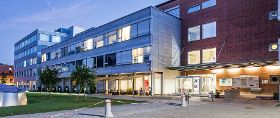
Arrhythmology is an integral part of the offerings of the Cardiocentro Ticino Institute, whose services are provided primarily at the Lugano site, with outpatient clinics and presidia in the Bellinzona, Mendrisio and Locarno Regional Hospitals. All invasive diagnostic and therapeutic procedures take place in the cardiac catheterization rooms of the Cardiocentro Ticino Institute in Lugano.

The English version of this page was created with the aid of automatic translation tools and may contain errors and omissions.
The original version is the page in Italian.